


Surgical Center


Surgical Center
Phyathai 3Advanced Surgical Interventional Technologies Center (ASIT)
Committed to providing diagnostic and surgical treatment services by a team of specialized surgeons who are highly skilled and experienced, equipped with modern, accurate, and efficient diagnostic tools. There is a nursing team ready to care for and provide comprehensive self-care advice at home.
Minimally Invasive Surgery (MIS)
Refers to surgery performed through a camera by making a small incision in the skin at the treatment site to insert the camera and surgical instruments for the operation. The wound size is about 1-2 cm to provide clear images and reduce damage to tissues and internal organs, minimizing the risk of complications. Patients have a short recovery time, small wounds, and less pain.
Advantages of Laparoscopic Surgery
- The surgical wound is small, about 1-2 centimeters.
- Short hospital stay and quick recovery.
- Less blood loss and less pain compared to open surgery.
- Due to the high magnification of the camera, doctors can clearly see the details of the internal area to be operated on.
- Reduces postoperative complications.
- Allows faster return to work and daily life.
- An additional benefit of small surgical wounds is better cosmetic results.
Diseases That Can Be Treated by Laparoscopic Surgery
Laparoscopic Cholecystectomy Laparoscopic surgery for gallstones, where the camera is inserted into the abdominal cavity mostly through an incision below the navel. Carbon dioxide gas is released into the abdominal cavity to create space for surgery. Various instruments are inserted through 2-3 additional abdominal wall incisions. The gallbladder is removed by cutting the cystic duct and cystic artery using clips or ligatures. The gallbladder is removed through the incision below the navel, and the skin is closed with dissolvable sutures. Patients can usually go home about 24-48 hours after surgery.
Laparoscopic Appendectomy Using a laparoscope to perform appendectomy. The advantages of laparoscopic appendectomy include less pain, faster recovery, fewer postoperative complications, and the ability to diagnose other abdominal diseases. The choice of laparoscopic surgery should be made by the surgeon based on the suitability for each patient.
Laparoscopic Herniorrhaphy Hernia treatment by repairing the defect either by conventional surgery or laparoscopic surgery. The principle is to use a synthetic mesh to cover the defect. Closing from the inside yields better results than from the outside (like a bathtub plug). Advantages of laparoscopic hernia repair:
- No tension (tension-free repair)
- Less tissue disturbance
- Less postoperative pain
- Fewer complications
Laparoscopic Colectomy Laparoscopic removal of the colon, with one incision about 4-5 cm long to remove the colon or tissue from the abdominal cavity.
Laparoscopic Lysis of Adhesions Surgery to cut and remove adhesions in the abdominal cavity using a laparoscope, often performed in cases of bowel obstruction caused by adhesions.
Laparoscopic Gastrectomy Surgery to remove pathological parts of the stomach using a laparoscope, commonly performed for stomach cancer, gastric ulcers, or perforated stomach.
Bariatric Surgery Weight loss surgery for severely obese patients, usually performed laparoscopically. Patients typically have a BMI of 40 or BMI of 35 with comorbidities, who have not improved with medical treatment and are considered for surgery. There are two main principles of surgery:
- Reducing stomach size (restrictive surgery)
- Reducing nutrient absorption (malabsorptive surgery)
- Laparoscopic surgery reduces complications significantly, making it popular with increasing rates of bariatric surgery.
Our Specialist Doctors

Dr. Benjaporn Nuntasunti

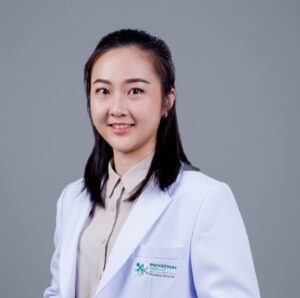
Dr. Jiyin Worawitwet
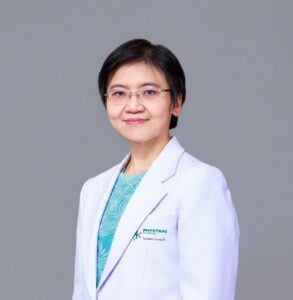
Dr. Narasara Vittayapipat
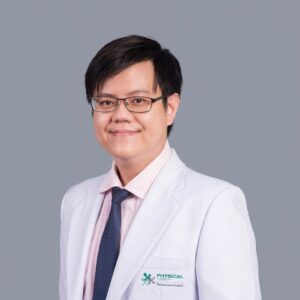
Dr. Nutchaphol Sethalao
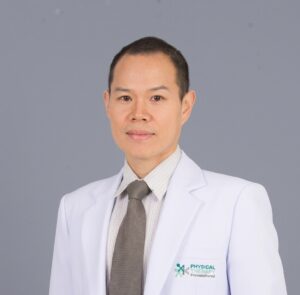
DR. Phongtawan Kunlayaphruk

Dr. Kris Keorochana
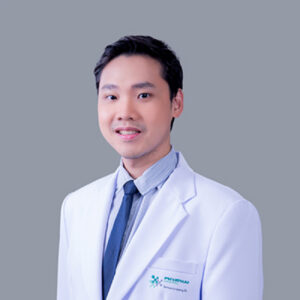
Dr. Kitinat Timudom

Dr. Pornpeera Jitpratoom
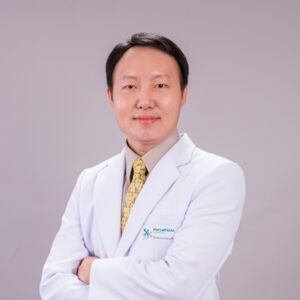
Dr. Wasun Nuntasunti

Dr. Vichit Viriyaroj
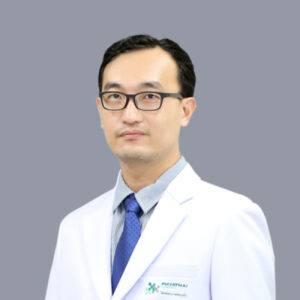
Dr. Suphakarn Techapongstorn

Ass. Prof. Nuttapon Apornsujaritkun

Ass. Prof. Dr. Thanyadej Nimmanwudipong
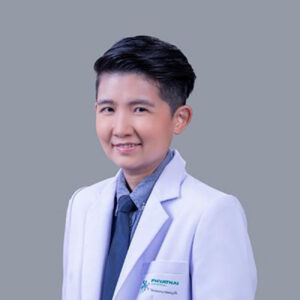
Dr. Pawalin Chuenputhi
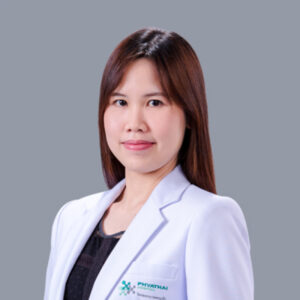
Dr. Pichamonch Pengvanich

Dr. Suwitra Vathanathorn